AI workforce planning software, powered by skills intelligence

Bring skills intelligence to your workforce planning: see the skills your people have, the gaps against roles you’re hiring or developing for, and how to close them. Inside Microsoft 365.

  • Plan on real skills evidence, not a headcount spreadsheet or a stale competency file
  • See future capability gaps early, so you develop or hire before they bite
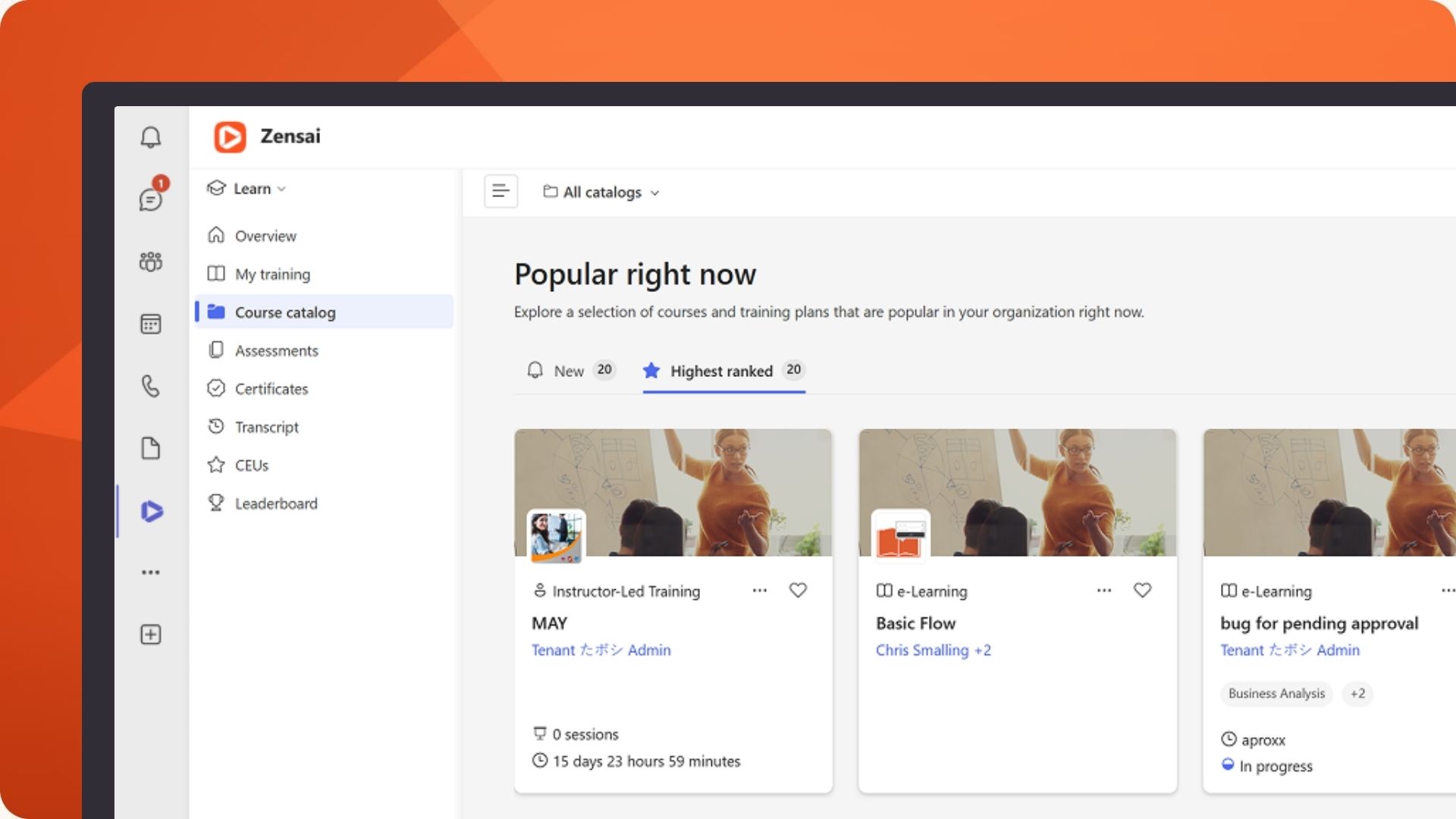
  • Built natively inside Microsoft 365: Teams, SharePoint, and Copilot
Microsoft Certified App Status for Zensai
DAZN Zensai Customer Logo
PS Logistics logo
BDO logo
Phoenix Software logo
NHS logo
Penske logo
Maersk Container Industry logo
First Business Bank Logo
Marvin Doors and Windows logo

Planning the future workforce on data that can’t describe today.

Workforce planning assumes you know what your people can already do. But skills data is scattered, out of date, or never captured, so the plan rests on assumption while demand for new skills rises faster than the picture can keep up.

70 %
nearly 70% of organizations struggled to fill full-time roles in 2025, often for roles needing new or changing skills (SHRM, Top Five Workplace Issues 2026)
62 %
of organizations rate building skills a high priority for their future success (Fosway, 2025)
52 %
don’t think their L&D team is adequately skilled to succeed in the next 2–3 years (Fosway, 2025)

Workforce planning without Zensai
vs workforce planning with Zensai

Plan on skills evidence, not assumption

Without Zensai
  • Plans built on a headcount spreadsheet and a competency file that went stale on day one
  • No clear view of what your people can actually do, so planning rests on assumption
  • Skills gaps surface when a project stalls, not while you can still act
  • Capability data lives in a separate planning tool you have to feed and reconcile
With Zensai
  • Plan on connected skills evidence, so hire-or-develop decisions rest on what people can really do
  • See capability gaps against future roles early, in time to develop or recruit before they bite
  • Skills-based planning turns a vague worry into a specific, addressable list
  • Built natively inside Microsoft 365, on the learning and performance data you already hold, with no separate tool to feed

From skills foundation to full workforce insight

Zensai is one platform, built natively inside Microsoft 365, in three editions. The skills framework and gap analysis start at Grow; Scale adds performance; Transform brings engagement, connected analytics, and the Human Success Score together for the full planning picture.

Teams planning on evidence, not assumption

josh briggs
Josh Briggs
Head of People Development, DAZN
“We’ve moved from abstract conversations about performance to real data. For the first time, I’ll be able to see 4,900 development goals across our people, in real-time. That’s huge.”
4,900
development goals visible in real time
Read more
Orange tai davidson marvin
Tai Davidson
Enterprise Manager of Learning and Development, Marvin
“My favorite AI feature right now is skill generation. It gives us a very good starting place as it’s helping us to automate our job or role-based skill creation.”
15%
boost in employee engagement, driven by personalized career development plans
Read more
kaitlin koehler first bank
Kaitlin Koehler
Senior Talent Development Specialist, First Business Bank
“We reached 99% goal entry across the company. That only happens when people see value in the process.”
99%
goal entry across the company
Read more
Human Success Playbook

Planning your future workforce?

See more
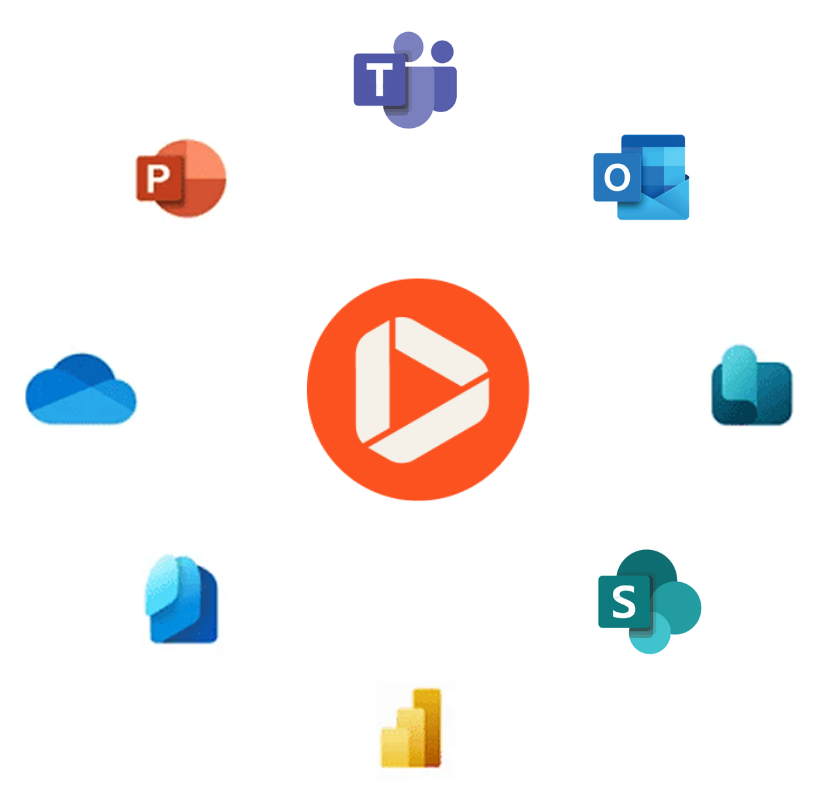
zensai integrates with microsoft 365

Trusted by 2,000+ IT & HR leaders in Microsoft-first organizations

Zensai transforms learning, engagement, and performance into impact right inside Microsoft 365. No disruption, just smarter ways to grow where your teams already work.

FAQs

What is AI workforce planning software?

AI workforce planning software, also called AI workforce management or talent planning software, helps you plan future capability using real people data rather than assumption. AI builds a skills framework and surfaces where capability is short, so planning starts from evidence of what the workforce can do. The AI does the framework-building and gap analysis; the planning decisions stay human. Built natively inside Microsoft 365, Zensai does this on the same connected data as your learning and performance, so the picture reflects what people actually do at work.

What are the benefits of skills-based workforce planning?

You plan against evidence instead of guesswork. Because skills, learning, and performance data live in one place, the capability picture is current and consistent, so decisions about hiring, development, and deployment rest on what people can actually do today. Strategic workforce planning stops being an annual spreadsheet built on assumptions and becomes a continuous, evidence-based view of where capability is strong and where it is short. That’s what strategic workforce planning software should deliver: scattered skills data turned into workforce intelligence you can plan on.

Does the AI make our workforce plan for us?

No. AI does specific, named jobs: it builds the skills framework and runs gap analysis to surface where capability is short. The planning decisions, and the judgment about what those gaps mean, stay with your people. AI gives you the evidence; you make the plan. That boundary is deliberate, because workforce planning is a people decision that should rest on human judgment, not an automated output.

Where do the skills in the plan come from?

From Zensai’s skills framework: AI drafts a starting structure, then skills are awarded on completion and confirmed by manager review, so what you plan against is verified capability rather than an algorithm’s guess. Defining, tracking, and closing skills gaps is skills management; this page is about planning on top of that verified picture, so the two work together rather than duplicating each other.

How is this different from a standalone workforce-planning platform?

Standalone platforms like Workday deliver workforce planning inside a large HCM suite, connected to Microsoft 365 through connectors rather than built into it, and they lead on headcount, staffing, and labor-cost forecasting. Zensai doesn’t replace that. It plans on the skills and capability side, natively inside Microsoft 365, on the same connected data as your learning and performance, so capability reflects what people actually do rather than a separate data set to maintain.

What is skills-based planning, and how is it different from headcount planning?

Headcount planning helps determine staffing needs and budgets. Skills-based planning adds detail about the capabilities required and the gaps to close through hiring or development.It shifts planning from filling seats to closing capability gaps, which is what makes strategic workforce planning actually strategic rather than just a headcount forecast.

How does this handle capacity planning?

It gives capacity planning the evidence side of the question. By showing current capability and gaps on connected data, you can see where a team can meet upcoming demand and where a capability gap would hold it back, before the plan is set. It doesn’t forecast headcount or labor cost the way workforce forecasting software does; it shows whether the skills are there to deliver, so capacity decisions rest on real capability rather than assumption.

How does this support internal mobility?

By making capability visible, it shows who already has, or is close to, the skills an emerging role needs, so you can develop internal talent toward it instead of defaulting to an external hire. Managers see which of their people are ready to grow and which need development first, which turns mobility from a gut call into a skills-based one.

Do we need to replace our HRIS?

No. Zensai runs inside Microsoft 365 and connects to your HRIS. It adds the skills framework, gap analysis, and connected capability picture without replacing your systems of record. Employee and role data flows in through Entra ID and HRIS connectivity, so the capability view stays accurate as people join, move, or leave, and your core systems stay exactly where they are.

Which edition includes workforce planning and the skills framework?

The skills framework and gap analysis start at Grow, the entry edition. Scale adds continuous performance; Transform brings engagement, connected analytics, and the Human Success Score together, which is where evidence-based planning is fully realized, because the capability picture rests on connected data rather than skills in isolation. Most organizations start at Grow and grow into the full picture.

What do our customers say about Zensai?

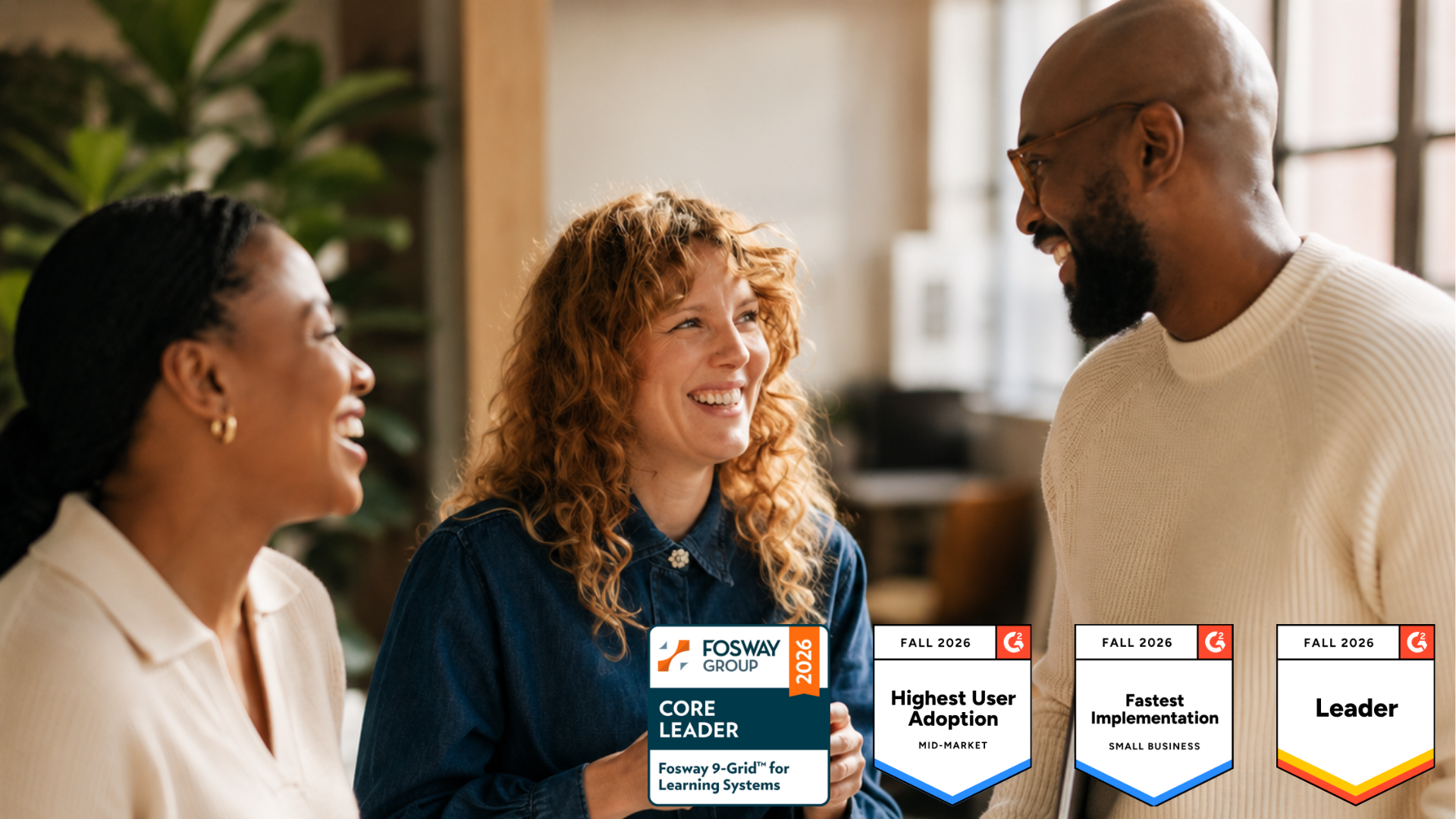
Our customers are our best proof, and on G2, that proof comes straight from verified reviews rather than analyst or vendor input. Reviewers point to the same strengths again and again: an experience that feels native to Microsoft 365, a rollout that’s fast and low-friction, and a support team they genuinely trust. Read what our customers say in their own words on our G2 review page.

Stop Managing Tools. Start Driving Human Success.

30 minutes, shaped around your team.