News • October 5, 2026

G2 Fall 2026: Zensai delivers performance management ROI two months faster

G2 Fall 2026 - Best tool for performance management featured image

Evaluating software to find the best tool for performance management means looking past the feature list to the two things that decide whether it works: will people use it, and will it pay back. Those are hard to judge from a demo, which is why verified customer data earns its place in the decision. 

In the G2 Fall 2026 reports, Zensai, the Human Success company, was recognized across every performance and engagement category G2 covers, and the customer data behind that recognition is where the real signal sits: above-average adoption, faster payback, and satisfaction scores that outrun the category on the measures that matter. 

Where does Zensai stand in G2’s Fall 2026 performance reports? 

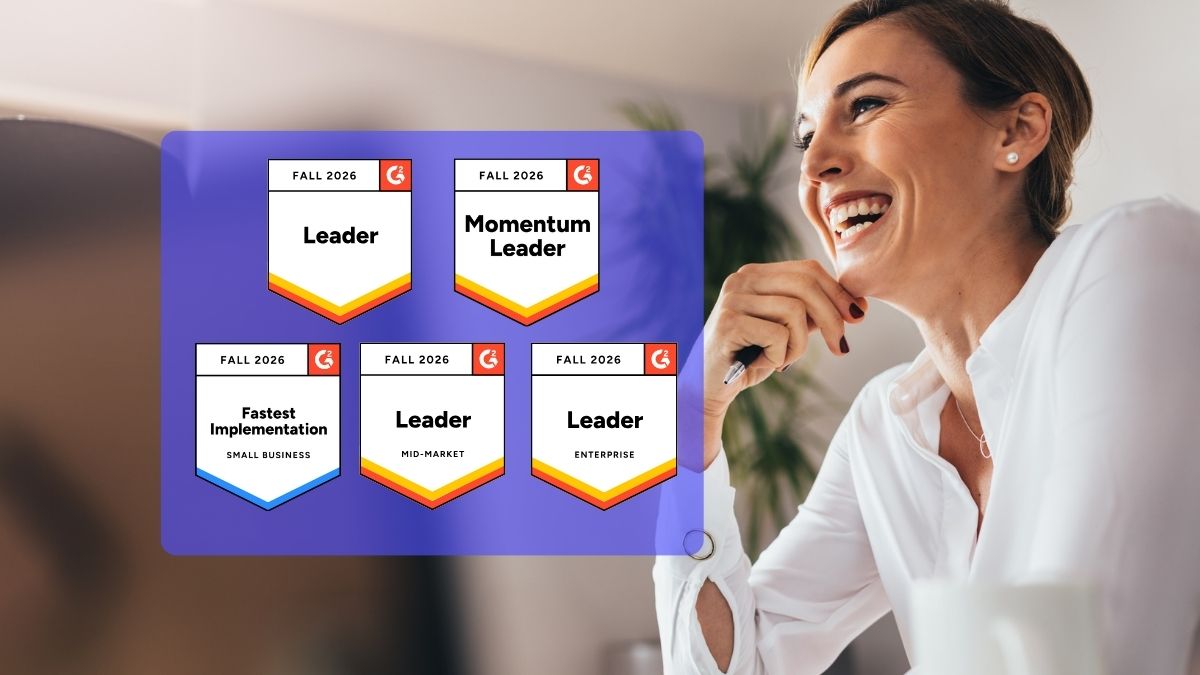
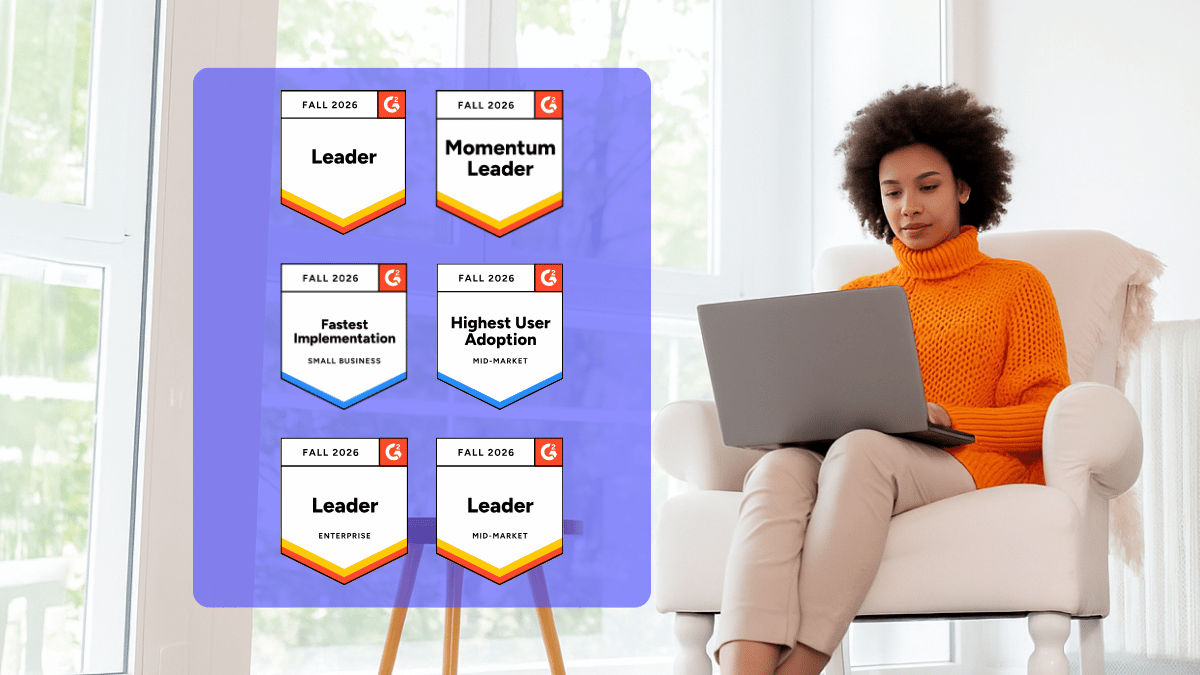
Across G2’s Fall 2026 reports, Zensai earned 23 badges across 139 reports in performance and engagement, spanning the United Kingdom, Europe, EMEA, and Asia Pacific and the small-business, mid-market, and enterprise segments: 

  • Highest User Adoption in the mid-market OKR report, G2’s distinction for the platform customers are most likely to use once it’s in place. 
  • Performance: 11 badges across Performance Management and Objectives and Key Results. 
  • Engagement: 12 badges across Employee Engagement, Employee Experience, and Employee Recognition. 

Alongside the Highest User Adoption distinction, these are High Performer badges earned across a wide range of regions and company sizes. Recognition on that scale is a sign of a platform that performs in varied contexts rather than one niche, and the adoption badge points at the pattern the rest of this data confirms: Zensai’s real strength is what customers do with the platform after they buy it.

G2 Fall 2026 - Best tool for performance management badges

How do performance management teams rate Zensai on G2? 

G2 satisfaction scores come from verified reviewers, so they show how a platform performs for the people already using it. In the Performance Management category, Zensai scores above the category average on almost every measure G2 tracks, and two of them stand out. 

  • Net Promoter Score of 75, against a category average of 65. NPS measures how readily customers would recommend a platform, so a ten-point lead says performance management teams don’t just tolerate Zensai, they advocate for it. 
  • Quality of support at 96%, against 91%. Support matters most in the early weeks of a rollout, and it’s where Zensai pulls furthest ahead of the field. 

This is consistent with the rest of the category. Customers rate Zensai above average on: 

  • Likelihood to recommend — 92% versus 89% 
  • Product heading in the right direction — 93% versus 90% 
  • Ease of doing business with — 95% versus 92% 
  • Ease of use — 93% versus 90% 
  • Meets requirements — 92% versus 90% 

For a performance management buyer, that breadth matters more than any single score: it points to a platform customers are satisfied with across the board, not one that peaks on a single metric and falls short elsewhere. 

Verified E.
★ ★ ★ ★ ★

Excellent enabler for open communication, feedback and performance management

The platform is clean, intuitive, and easy to navigate for both managers and employees. This makes it accessible even to those who are not tech-savvy and the integration with Microsoft Teams makes it even easier to adopt it.
It has helped a lot with setting clear goals for performance reviews, providing ongoing feedback and facilitating team communication and recognition among colleagues.

Read more on G2

Does Zensai deliver faster ROI for performance management? 

Yes. In G2’s Fall 2026 data, Zensai’s performance management customers report an average payback period of 10 months, against a category average of 12. That’s two months faster to a return on the investment, which matters most to the buyers who have to justify the spend. 

The reason sits in the adoption numbers. A performance management tool only returns value when people use it, and Zensai’s performance management adoption runs at 85% against an 80% average. Payback follows adoption: when managers and employees run check-ins, set goals, and give feedback in the platform rather than around it, the investment starts working sooner. A tool that looks capable but goes unused delays its own return, which is where slower paybacks usually come from. 

That link between adoption and return is the throughline of Zensai’s G2 data. The platform scores above average on the satisfaction measures that drive daily use, above average on adoption, and faster than average on payback, in that order. Each one feeds the next. For you, that means a platform people genuinely use, and a faster return because of it. 

Why do leaders actually use Zensai for performance management? 

Adoption is the measure most performance management tools quietly fail on. A platform can look capable in a demo and still sit unused once it’s live, because asking people to log into a separate system for check-ins and goals is asking them to break their working day. Zensai’s answer is architectural: it’s built natively inside Microsoft 365, so performance management happens inside Copilot, Teams, and SharePoint, where people already work. 

That design shows up directly in the G2 data. Zensai earned G2’s Highest User Adoption badge for OKR software, with an adoption rate of 88% against a category average of 71%, the widest adoption margin anywhere in its Fall 2026 results. The same pattern holds across the category: 85% adoption in performance management and 84% in engagement, both above average. 

The reason is the same each time. When a weekly check-in arrives in Teams, an employee answers it without switching tools. When a manager prepares for a one-to-one, the goal progress and recent feedback are already in front of them in the interface they use all day. There’s nothing extra to launch or remember, so participation holds up week after week instead of trailing off once the launch enthusiasm fades. For a performance management buyer, that’s the difference between a process people complete and one they avoid. 

How do performance and engagement work together in Zensai? 

Most organizations run performance and engagement as separate exercises: an annual or quarterly review process on one side, a pulse survey tool on the other, with the two sets of data rarely meeting. Zensai brings them into one system, and the G2 data suggests that combination is part of why it works. 

The two sides feed each other. Goals and OKRs set in a performance conversation surface inside the regular engagement check-ins, so progress stays visible in the rhythm of everyday work rather than resurfacing only at review time. In the other direction, the sentiment and feedback captured in those check-ins flow back into the review itself, giving a manager synthesized, year-round context instead of a scramble to remember what happened over twelve months. Read together, the performance and engagement signals make it easier to spot who’s ready for more and to catch a concern while it’s still small. 

Engagement earns its own recognition in the G2 data, and its strengths are the same ones that matter in performance: adoption and return. In the engagement category specifically, Zensai’s adoption runs at 84% against a 72% average, and payback comes three months faster than average, a separate result from the two-month lead it holds in performance management.

For an organization weighing performance management tools, a platform that brings engagement into the same system, and performs on both, is a more complete answer than a point solution that handles only half the picture. 

Embracing Continuous Performance Management

What G2’s data tells you about the best tools for performance management 

If you’re evaluating the best tools for performance management, the question underneath the feature comparison is simple: will people use it, and will it pay back? G2’s Fall 2026 data answers both for Zensai. Verified customers rate it above the category average on the satisfaction measures that drive daily use, adoption rates that run well ahead of the field, and report a payback period two months faster than average in performance management. Those three results aren’t separate selling points, they’re one chain: satisfaction drives adoption, and adoption is what turns a performance management investment into a return. 

That’s a more useful signal than any single badge, because it reflects what happens after the sale rather than how a platform demos. For an HR or people leader building a shortlist, it points to a tool that earns its place by being used, not just bought. 

When you’re ready to see how it fits your own teams, the Zensai G2 profile is the place to read the verified reviews in full. Or book a demo to see how Zensai runs performance management in practice.

FAQs

What performance management tools run inside Microsoft Teams?

Zensai is a performance management tool built natively inside Microsoft 365, including Teams. Managers and employees set goals and OKRs, hold check-ins, share continuous feedback, and run review cycles without leaving the Microsoft tools they already use. It also connects performance with learning and engagement in one platform.

What is Zensai's G2 rating?

Zensai holds a 4.5 out of 5 rating on G2, based on verified customer reviews from people using the platform across performance, engagement, and learning.

Does Zensai replace annual performance reviews?

Zensai is built for continuous performance management rather than a once-a-year review. Managers and employees run regular check-ins, set and track goals and OKRs, and capture feedback as work happens, so a formal review becomes a summary of a year's worth of context rather than a scramble to reconstruct it. Organizations that still run a formal review cycle can, with the ongoing record feeding into it.

Is Zensai a good tool for OKRs?

Yes. Zensai earned G2's Highest User Adoption badge for OKR software in the Fall 2026 reports, with an adoption rate of 88% against a category average of 71%. Goals and OKRs live inside Microsoft Teams alongside the daily work, so they stay visible between check-ins instead of being set once and forgotten.

How does Zensai support managers?

Zensai gives managers a connected record of each person's goals, feedback, and check-ins, all inside Microsoft Teams. Conversation agendas build from past check-ins and future conversations schedule automatically, so managers spend less time preparing for one-to-ones.

Does Zensai combine learning, performance and engagement?

Yes. Zensai brings learning, performance management, and employee engagement together in one platform built natively inside Microsoft 365. Goals, check-ins, feedback, training, and engagement data connect, so teams don't piece them together from separate tools.

Similar articles

Stop Managing Tools. Start Driving Human Success.

30 minutes, shaped around your team.